


Hey there! As a supplier of Flexible Quartz Heater Tubes, I often get asked whether these nifty tubes can be used in a vacuum environment. It's a great question, and today, I'm gonna dig deep into this topic and share all the insights I've gathered over the years.
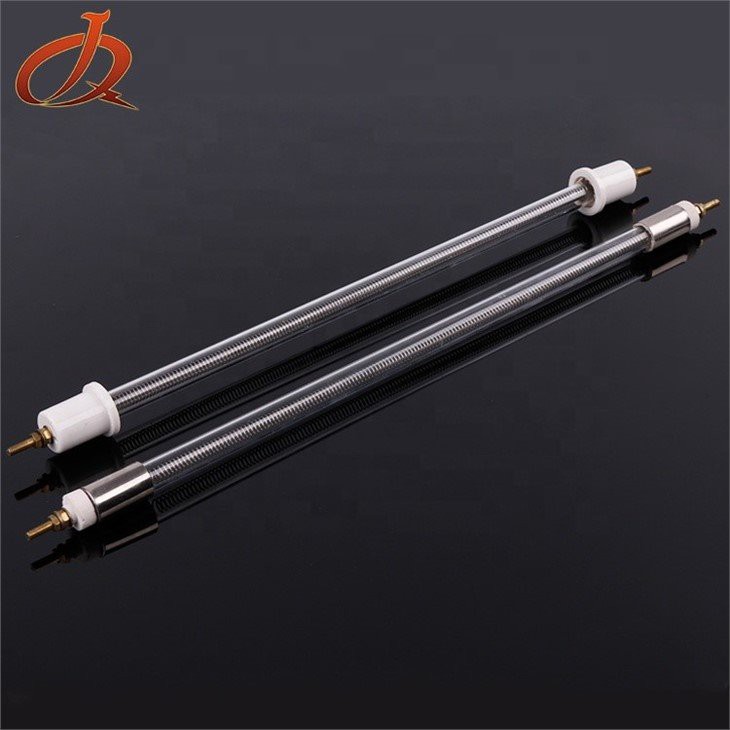
First off, let's talk a bit about what Flexible Quartz Heater Tubes are. These are specialized tubes made from high - quality quartz material. Quartz is an amazing substance. It has excellent thermal properties, high chemical resistance, and can withstand a wide range of temperatures. The flexibility of these tubes is a game - changer. It allows for easy installation in various complex setups where rigid tubes just won't cut it. You can find out more about them here: Flexible Quartz Heater Tube.
Now, let's jump into the vacuum environment. A vacuum is a space devoid of matter, or at least a space with a very low pressure compared to the atmospheric pressure. In industries like semiconductor manufacturing, vacuum coating, and space research, vacuum environments are crucial. These environments require heating elements that can perform efficiently without being affected by the lack of air or other gases.
So, can a Flexible Quartz Heater Tube be used in a vacuum environment? The short answer is yes, and here's why.
Thermal Properties
Quartz has a very high melting point, typically around 1700°C. This means that in a vacuum, where there's no air to conduct heat away, the heater tube can reach high temperatures without melting or deforming. The heat transfer in a vacuum mainly occurs through radiation. Flexible Quartz Heater Tubes are great at emitting infrared radiation, which is perfect for heating in a vacuum. They can transfer heat directly to the target object without the need for a medium like air. You can learn more about the infrared aspect from Electric Infrared Heating Tube.
Chemical Stability
In a vacuum environment, there's a risk of chemical reactions between the heating element and any residual gases or the materials being processed. Quartz is highly chemically stable. It doesn't react easily with most substances, which makes it ideal for use in a vacuum. This stability ensures that the heater tube won't contaminate the vacuum environment or be damaged by any chemical reactions.
Flexibility Advantage
The flexibility of these tubes is a huge plus in a vacuum setup. In many vacuum chambers, the available space is limited and may have irregular shapes. The ability to bend and shape the heater tube according to the requirements makes installation much easier. You can snake the tube around obstacles or fit it into tight corners, ensuring optimal heating coverage.
Durability
Vacuum environments can be harsh, with factors like high - energy particles and extreme temperature gradients. Flexible Quartz Heater Tubes are built to last. They can withstand these harsh conditions without losing their performance. The quartz material is resistant to thermal shock, which means it can handle rapid temperature changes without cracking or breaking.
However, there are a few things to keep in mind when using Flexible Quartz Heater Tubes in a vacuum.

Outgassing
Even though quartz is very stable, it can still outgas in a vacuum. Outgassing is the release of gases that are trapped within the material. This can be a problem in some high - precision applications. To minimize outgassing, the heater tubes are usually pre - treated in a high - temperature vacuum environment during the manufacturing process. This helps to remove any trapped gases and ensures that the outgassing rate is as low as possible.
Power and Temperature Control
In a vacuum, the heat transfer mechanism is different from that in normal atmospheric conditions. The lack of air means that there's no convective cooling. So, it's crucial to have precise power and temperature control. Overheating can damage the heater tube and the equipment in the vacuum chamber. Using a reliable temperature sensor and a well - calibrated power supply is essential to maintain the right temperature and prevent any issues.
Compatibility with Vacuum System
The heater tube must be compatible with the rest of the vacuum system. This includes factors like the electrical connections and the mounting hardware. The electrical leads should be designed to work in a vacuum without causing any arcing or short - circuits. The mounting should be secure and should not introduce any leaks into the vacuum chamber.
In conclusion, Flexible Quartz Heater Tubes are a great choice for use in a vacuum environment. Their thermal properties, chemical stability, flexibility, and durability make them well - suited for a wide range of vacuum applications. Whether you're in the semiconductor industry, doing research in space, or involved in vacuum coating processes, these tubes can provide efficient and reliable heating.
If you're looking for a high - quality Flexible Quartz Heater Tube for your vacuum application, don't hesitate to reach out. We're here to help you find the perfect solution for your needs. You can also check out Heated Quartz Tube for more related information. Let's have a chat and see how we can work together to meet your heating requirements in a vacuum environment.
References
- "Quartz Materials and Their Applications" - A comprehensive guide on the properties and uses of quartz.
- "Vacuum Technology Handbook" - This handbook provides in - depth information on vacuum environments and the requirements for equipment used in them.