


As a leading supplier of Electric Furnace Tube Heaters, one question we often encounter is: Can an electric furnace tube heater be used for melting materials? This query is fundamental for industries ranging from metalworking to ceramics, where melting processes are integral to production. In this blog, we will explore the capabilities of electric furnace tube heaters in melting materials, examining their suitability, limitations, and practical applications.
Understanding Electric Furnace Tube Heaters
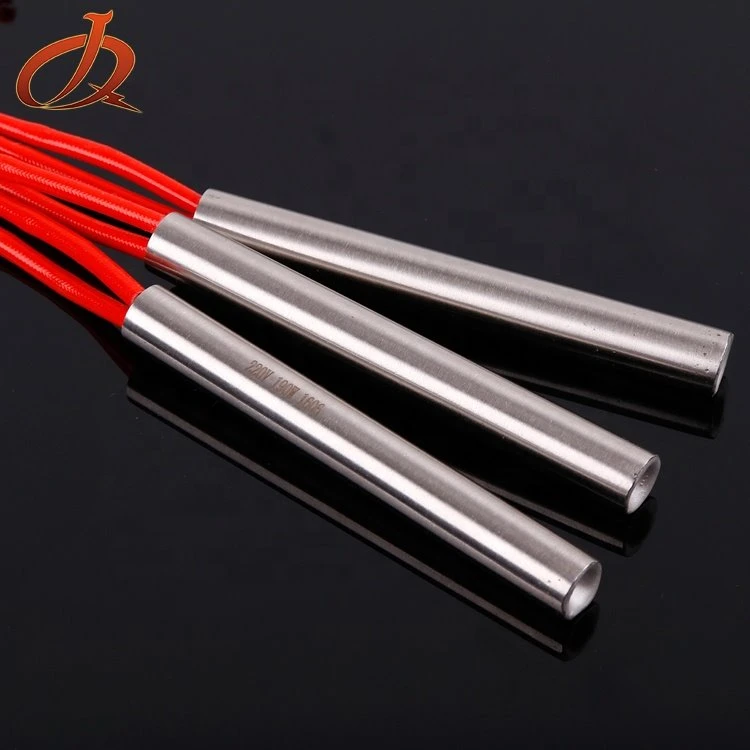
Electric furnace tube heaters are specialized heating elements designed to generate high temperatures within a tubular enclosure. They are typically constructed from high - quality materials such as stainless steel, ceramic, or Incoloy, which can withstand extreme heat and harsh chemical environments. These heaters work by passing an electric current through a resistive element, converting electrical energy into heat.
The key advantages of electric furnace tube heaters include precise temperature control, fast heating rates, and energy efficiency. They can be customized to meet specific temperature requirements, ranging from a few hundred degrees Celsius to over 1500 degrees Celsius, depending on the design and materials used.
Can Electric Furnace Tube Heaters Melt Materials?
The short answer is yes, electric furnace tube heaters can be used for melting materials. However, several factors need to be considered to ensure successful melting operations.
Material Compatibility
The first consideration is the melting point of the material. Different materials have different melting points, and the electric furnace tube heater must be capable of reaching and maintaining a temperature above the melting point of the target material. For example, common metals such as aluminum have a melting point of around 660 degrees Celsius, while more refractory metals like tungsten can have melting points exceeding 3400 degrees Celsius.
Our Electric Furnace Tube Heaters are engineered to handle a wide range of melting points. With the right selection of materials and designs, we can provide heaters that are suitable for melting various metals, alloys, and non - metallic materials. For instance, for melting aluminum or brass, our standard heaters can easily reach the required temperatures. For more demanding applications like melting high - temperature alloys, we offer specialized heaters with enhanced heat - generating capabilities.

Heating Capacity
The heating capacity of the electric furnace tube heater is another critical factor. This refers to the amount of heat energy the heater can generate per unit time. To melt materials efficiently, the heater must be able to supply enough heat to raise the temperature of the material from its initial state to its melting point and then maintain that temperature until the melting process is complete.
The heating capacity is determined by factors such as the power rating of the heater, the surface area of the heating element, and the thermal conductivity of the enclosure. Our engineers can assist in selecting the appropriate heater based on the quantity and type of material to be melted. For small - scale melting operations, a lower - power heater may suffice, while large - scale industrial applications may require high - power models.
Temperature Uniformity
In melting processes, it is crucial to have uniform temperature distribution within the furnace. Uneven temperatures can lead to incomplete melting, inconsistent material properties, and even damage to the heater or the furnace. Electric furnace tube heaters are designed to provide relatively uniform heating, but additional measures may be necessary depending on the specific application.
We use advanced manufacturing techniques to ensure optimal temperature distribution. For example, our heaters can be equipped with multiple heating zones, allowing for precise control of the temperature in different areas of the furnace. This helps to achieve more uniform melting and better quality of the final product.
Practical Applications of Electric Furnace Tube Heaters in Melting
Metal Melting
One of the most common applications of electric furnace tube heaters is in metal melting. They are widely used in foundries, jewelry making, and small - scale metalworking shops. For example, in jewelry making, electric furnace tube heaters can be used to melt precious metals like gold, silver, and platinum to create custom - designed pieces.
In the automotive and aerospace industries, these heaters are used for melting and casting various alloys. The precise temperature control offered by electric furnace tube heaters ensures that the alloys have the desired chemical composition and mechanical properties.
Glass and Ceramic Melting
Electric furnace tube heaters are also suitable for melting glass and ceramic materials. In the glass manufacturing industry, they are used to melt raw materials such as silica, soda ash, and limestone to produce different types of glass products. The ability to control the temperature precisely is essential in glass melting, as it affects the viscosity and transparency of the glass.
In the ceramic industry, electric furnace tube heaters are used to sinter and melt ceramic powders to form various ceramic products, including tiles, insulators, and electronic components.
Limitations and Considerations
While electric furnace tube heaters are versatile and effective for melting materials, they do have some limitations.
Cost
High - temperature electric furnace tube heaters can be relatively expensive, especially those designed for melting refractory materials. The cost includes not only the initial purchase price but also the energy consumption during operation. However, it is important to consider the long - term benefits, such as improved efficiency, reduced waste, and better product quality.
Maintenance
Regular maintenance is required to ensure the reliable operation of electric furnace tube heaters. This includes inspection of the heating elements, checking for signs of wear or damage, and cleaning the furnace. In some cases, the heating elements may need to be replaced periodically, which can add to the operating costs.
Related Products
If you are interested in our product range, we also offer a variety of related products. For example, the Element Stainless Steel Cartridge Heater is a high - performance heating element suitable for a wide range of applications. It is made of stainless steel, which provides excellent corrosion resistance and durability.
The 12mm Electric Cartridge Heater is a compact and powerful heating solution. It can be easily installed in various equipment and is ideal for applications where space is limited.
The Electric Cartridge Heater 220v Element is designed to operate at 220 volts, providing a convenient and reliable heating option for different industries.
Contact Us for Purchasing Discussions
If you have any questions about using electric furnace tube heaters for melting materials or are interested in purchasing our products, we invite you to contact us for a detailed discussion. Our team of experts is ready to assist you in selecting the most suitable heater for your specific needs, providing technical support, and offering competitive pricing. Let's work together to achieve your melting process goals!
References
- “Handbook of Industrial Heating” by Joseph R. Davis
- “Principles of Heat Transfer” by Frank P. Incropera and David P. DeWitt
- Industry reports on electric heating technologies and applications.