


As a supplier of quartz products, one of the most frequently asked questions I receive is whether quartz products require special maintenance. To address this query comprehensively, let's delve into the characteristics of quartz and examine the maintenance requirements for different types of quartz products.
General Properties of Quartz
Quartz is a mineral composed of silicon and oxygen atoms, with a chemical formula of SiO₂. It is renowned for its high heat resistance, chemical inertness, and excellent mechanical strength. These properties make quartz products a popular choice in various industries, including semiconductor manufacturing, laboratory research, and optical applications.
Due to its robust nature, quartz generally does not require excessive maintenance as compared to many other materials. Its chemical stability means it is not easily corroded by most common chemicals, and its high melting point allows it to withstand high - temperature environments. However, certain factors can still affect the performance and lifespan of quartz products, and understanding these factors is crucial for proper maintenance.
Maintenance of Different Quartz Products
Quartz Boat
Quartz boats, like the ones you can find Quartz Boat, are widely used in the semiconductor industry for holding wafers during various fabrication processes such as diffusion, oxidation, and chemical vapor deposition.
During use, quartz boats may accumulate contaminants such as metals, organic residues, and particulate matter. These contaminants can affect the quality of the semiconductor wafers and the overall process performance. To maintain the cleanliness of quartz boats, regular cleaning is essential.
A standard cleaning process often involves a multi - step procedure. First, the quartz boat is soaked in a diluted acid solution, usually hydrofluoric acid (HF) or a mixture of acids, to remove metallic contaminants. However, hydrofluoric acid is highly corrosive and must be handled with extreme care. After the acid soaking, the boat is rinsed thoroughly with deionized water to remove any residual acid. Next, it undergoes a soaking in a cleaning solution containing hydrogen peroxide and ammonia to eliminate organic residues. Finally, it is dried in a clean environment to prevent any re - contamination.
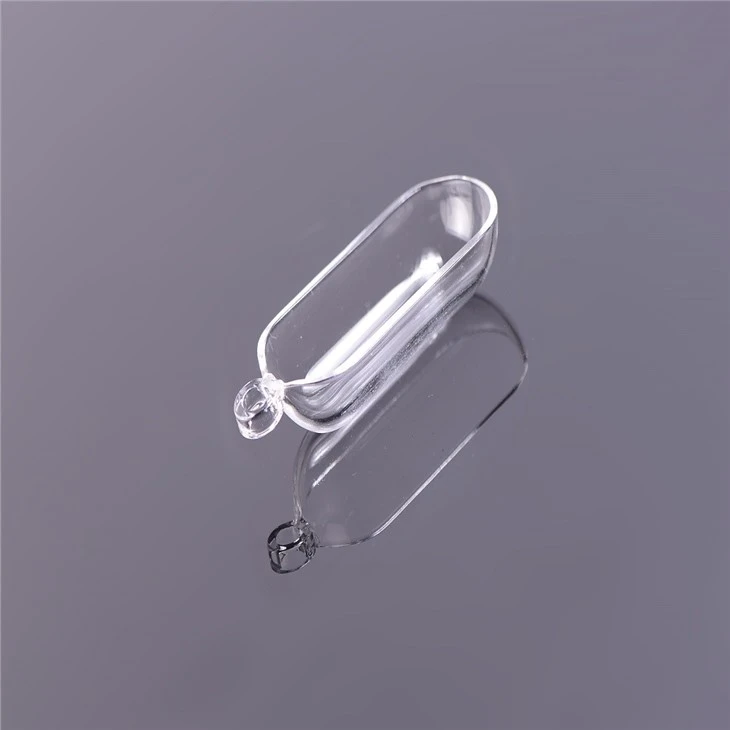

It is also important to handle quartz boats correctly. They should be stored in a clean, dust - free environment, preferably in a dedicated storage cabinet. When moving the boat, use appropriate handling tools to avoid scratching the surface, as scratches can weaken the structure of the quartz and provide sites for further contamination.
Quartz Flask
Quartz flasks, as found at Quartz Flask, are commonly used in laboratories for storing and heating chemicals. Similar to quartz boats, they need to be kept clean to ensure accurate experimental results.
After each use, quartz flasks should be rinsed with appropriate solvents to remove any chemical residues. If stubborn residues are present, they can be soaked in a suitable cleaning agent. For example, if organic residues are difficult to remove, a mixture of ethanol and acetone can be used. However, be cautious when using solvents, as some solvents may react with certain contaminants or even the quartz itself under extreme conditions.
When using a quartz flask for heating purposes, it is crucial to heat it gradually to avoid thermal shock. Rapid temperature changes can cause the quartz to crack or shatter. Additionally, always use a proper support and heating source to ensure even heat distribution. If the flask is not in use, it should be stored upright in a safe place to prevent accidental damage.
Quartz Tube
Quartz Tube is utilized in a wide range of applications, such as in UV lamps, optical fibers, and heating elements. The maintenance of quartz tubes depends on their specific usage.
In the case of quartz tubes used in UV lamps, over time, a thin layer of residue may form on the inner surface of the tube, which can reduce the efficiency of UV radiation. To clean this residue, a gentle cleaning process is required. Using a soft cloth soaked in a mild cleaning solution, carefully wipe the inner surface of the tube. Do not use abrasive materials, as they can scratch the quartz and degrade its optical properties.
For quartz tubes used in high - temperature applications, thermal cycling can cause micro - cracks to form in the tube over time. Regular inspection of these tubes is necessary to detect any signs of cracking or weakening. If a crack is detected, the tube should be replaced immediately to prevent potential safety hazards.
Impact of Improper Maintenance
Neglecting the maintenance of quartz products can lead to several negative consequences. Firstly, the performance of the products will deteriorate. For example, a dirty quartz boat can cause wafer defects in semiconductor manufacturing, leading to lower yields and increased production costs. A contaminated quartz flask can affect the accuracy of chemical analyses and reactions in the laboratory.
Secondly, improper maintenance can significantly reduce the lifespan of the quartz products. Scratches and micro - cracks caused by rough handling or lack of proper cleaning can weaken the structure of the quartz, making it more prone to breakage. This not only requires more frequent replacement of the products but also incurs additional expenses for the users.
Best Practices for Maintenance
To ensure the long - term performance of quartz products, the following best practices can be followed:
- Develop a regular maintenance schedule based on the usage frequency and type of application of the quartz products. For example, quartz boats used in high - volume semiconductor manufacturing may need to be cleaned more frequently than those used in less demanding processes.
- Use high - quality cleaning agents and solvents. Inferior cleaning agents may not effectively remove contaminants and can even cause damage to the quartz over time.
- Train personnel on proper handling and maintenance procedures. Workers should be aware of the risks associated with using certain cleaning chemicals and know how to handle quartz products gently.
- Keep detailed records of the maintenance history of each quartz product. This can help in identifying patterns of contamination or damage and enable proactive measures to be taken.
Conclusion
In summary, while quartz products are known for their durability and stability, they do require special maintenance to ensure optimal performance and a long lifespan. Different types of quartz products, such as quartz boats, flasks, and tubes, have specific maintenance requirements based on their applications. By following the best practices outlined above, users can minimize the negative impacts of contamination and damage, thus getting the most out of their quartz products.
If you are interested in purchasing high - quality quartz products or have any questions regarding their maintenance, do not hesitate to reach out. We are here to provide you with detailed information and support, ensuring that you can make the most suitable choices for your specific needs.
References
- Pankow, J. F. (1991). Aquatic Chemistry Concepts. CRC Press.
- Smith, D. L., & Jensen, K. F. (2000). Introduction to Semiconductor Manufacturing Technology. John Wiley & Sons.