


Hey there! As a supplier of Electric Furnace Tube Heaters, I've seen firsthand how the installation position can have a huge impact on the heater's performance. In this blog, I'm gonna break down how different installation positions can affect your heater and what you need to know to get the most out of it.
1. Understanding the Basics of Electric Furnace Tube Heaters
Before we dive into the installation position, let's quickly go over what an electric furnace tube heater is. These heaters are used in a variety of industrial applications to heat up gases or liquids. They work by passing an electric current through a heating element, which then generates heat.
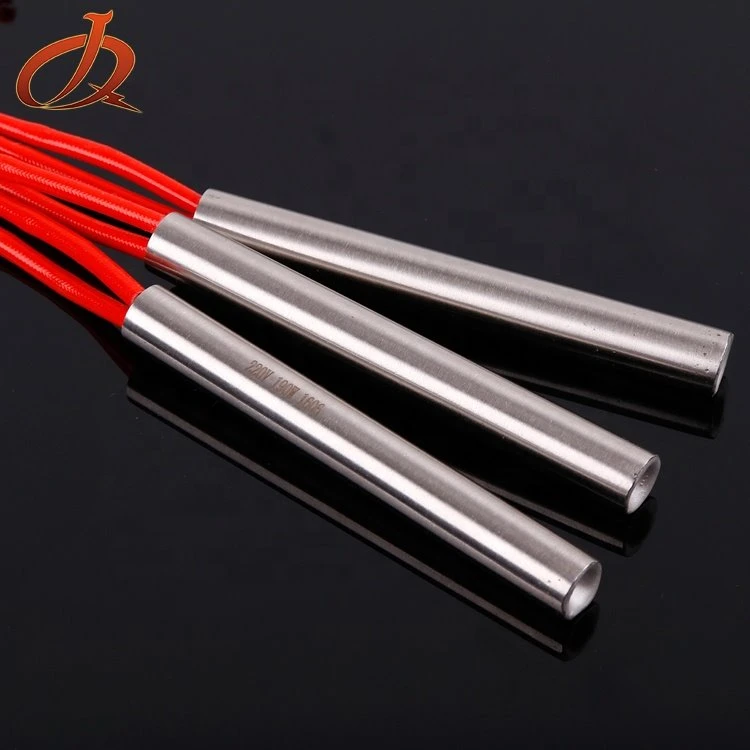
One of the great things about electric furnace tube heaters is their versatility. You can find different types like the Electric Cartridge Heater 220v Element, the 12v Electric Cartridge Heater Heating Element, and the 12mm Electric Cartridge Heater. Each type has its own unique features and is suitable for different applications.
2. Horizontal Installation
2.1 Heat Distribution
When you install an electric furnace tube heater horizontally, heat distribution can be a bit tricky. Gravity plays a role here. Hot air tends to rise, so if you're heating a gas, the upper part of the tube might get hotter than the lower part. This can lead to uneven heating, which is a big no - no in many industrial processes.
For example, in a chemical reaction where precise temperature control is crucial, uneven heating can cause inconsistent results. The reaction might proceed faster in the hotter areas and slower in the cooler ones, leading to a lower - quality product.
2.2 Maintenance
On the plus side, horizontal installation can make maintenance easier. You can access the heater more easily for cleaning or replacing parts. Since it's lying flat, you don't have to worry about reaching up high or dealing with awkward angles. This can save you time and money in the long run.
3. Vertical Installation
3.1 Heat Transfer Efficiency
Vertical installation can improve heat transfer efficiency. When the heater is installed vertically, the natural convection of the fluid (either gas or liquid) is enhanced. Hot fluid rises and cold fluid sinks, creating a continuous circulation. This helps in distributing the heat more evenly throughout the system.
In a water - heating application, for instance, a vertically installed tube heater can heat the water more uniformly. The hot water rises to the top, and the cooler water at the bottom moves down towards the heater, ensuring that all the water in the tank gets heated properly.
3.2 Condensation Issues
However, vertical installation also has its drawbacks. If the heater is used in an environment where there is moisture, condensation can be a problem. Condensation can collect at the bottom of the heater, which might cause corrosion over time. This can reduce the lifespan of the heater and lead to costly repairs or replacements.
4. Inclined Installation
4.1 Compromise between Horizontal and Vertical
An inclined installation is kind of a middle - ground between horizontal and vertical. It can help to mitigate some of the issues associated with both. For example, it can reduce the uneven heat distribution problem of horizontal installation while also minimizing the condensation risk of vertical installation.

The angle of inclination can be adjusted based on your specific needs. If you're dealing with a fluid that has a high viscosity, a steeper angle might be better to ensure proper flow and heat transfer.
4.2 Space Constraints
In some cases, inclined installation might be the only option due to space constraints. If your equipment has limited space and you can't install the heater horizontally or vertically, an inclined position can be a practical solution.
5. Wall - Mounted Installation
5.1 Space Saving
Wall - mounted installation is great for saving space. If you're working in a crowded industrial environment, mounting the heater on the wall can free up valuable floor space. This can make your workspace more organized and efficient.
5.2 Heat Dissipation
However, when the heater is wall - mounted, heat dissipation can be a concern. The wall can act as a barrier, preventing the heat from escaping properly. This can cause the heater to overheat, which not only reduces its performance but also poses a safety risk.
6. Factors to Consider When Choosing an Installation Position
6.1 Application Requirements
The first thing you need to consider is the specific requirements of your application. If you need precise temperature control, you might want to choose a position that ensures even heat distribution. On the other hand, if space is a major concern, a wall - mounted or inclined installation might be more suitable.
6.2 Fluid Properties
The properties of the fluid you're heating also matter. If it's a gas, you need to think about how it will flow and how heat will be distributed. If it's a liquid, factors like viscosity and density can affect the heat transfer process.
6.3 Safety
Safety should always be a top priority. Make sure that the installation position doesn't pose any risks, such as overheating or electrical hazards. Also, consider how easy it is to access the heater for maintenance in case of an emergency.
7. Conclusion
As you can see, the installation position of an electric furnace tube heater has a significant impact on its performance. Each installation position has its own advantages and disadvantages, and the right choice depends on your specific needs and circumstances.
If you're still not sure which installation position is best for your application, don't hesitate to reach out. We're here to help you make the right decision and ensure that you get the most out of your electric furnace tube heater. Whether you need a Electric Cartridge Heater 220v Element, a 12v Electric Cartridge Heater Heating Element, or a 12mm Electric Cartridge Heater, we've got you covered.
Let's start a conversation and figure out the best solution for your heating needs. Contact us today to discuss your requirements and get a quote.
References
- "Industrial Heating Equipment Handbook"
- "Principles of Heat Transfer"