


As a trusted supplier of stainless steel heaters, I often encounter inquiries from customers regarding the lifespan of these essential heating devices. Understanding how long a stainless steel heater typically lasts is crucial for both consumers and businesses, as it directly impacts maintenance costs, efficiency, and overall satisfaction. In this blog post, I will delve into the factors that influence the longevity of stainless steel heaters and provide insights to help you make informed decisions.

Factors Affecting the Lifespan of Stainless Steel Heaters
1. Quality of Materials
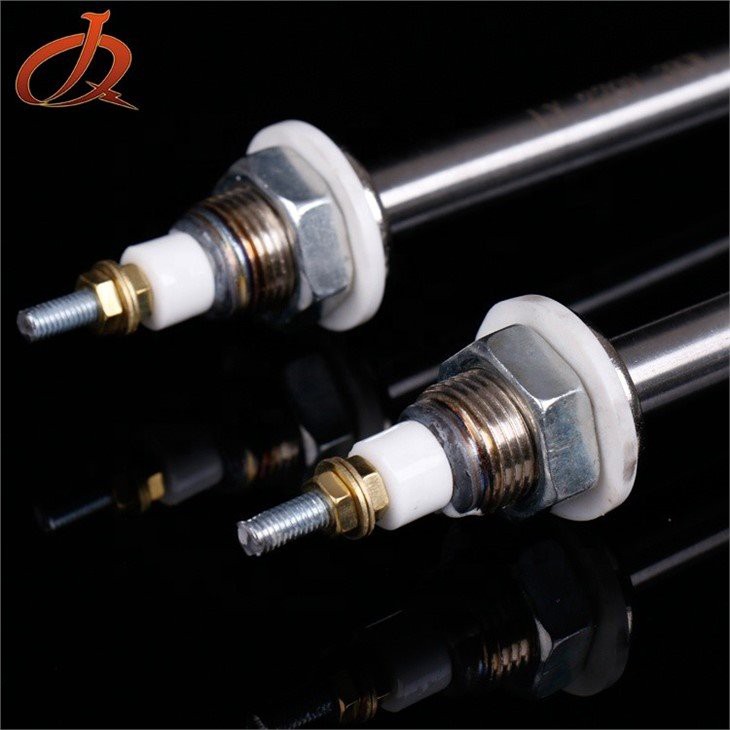
The quality of the stainless steel used in the heater is a fundamental determinant of its lifespan. High - grade stainless steel, such as 304 or 316, offers superior corrosion resistance, durability, and heat - tolerance compared to lower - quality alternatives. At our company, we use only the finest stainless steel materials to ensure the longevity of our heaters. For instance, our U Shape Stainless Steel Heating Tube is crafted from premium stainless steel, which can withstand harsh environments and frequent use without significant wear and tear.
2. Operating Conditions
The environment in which the stainless steel heater operates plays a significant role in its lifespan. Factors such as temperature, humidity, and the presence of corrosive substances can all affect the heater's performance and durability. Heaters used in industrial settings with high levels of chemicals or extreme temperatures may have a shorter lifespan compared to those used in more controlled environments. For example, a water heater in a swimming pool may be exposed to chlorine and other chemicals, which can gradually corrode the stainless steel over time. On the other hand, a heater used in a residential water system with clean water may last longer. Our Water Heating Tubular Heater is designed to be resistant to various water conditions, but proper installation and maintenance are still necessary to maximize its lifespan.
3. Usage Patterns
How often and how intensively the heater is used also impacts its longevity. A heater that is used continuously at high power will experience more stress and wear than one that is used intermittently or at lower power levels. For example, a large - scale commercial kitchen that runs its stainless steel heaters for long hours every day will need to replace them more frequently than a small home kitchen that uses the heater sparingly. Our Large Power Super Effective Energy Electric Solar Heater is engineered to handle high - power usage, but users should still follow the recommended usage guidelines to ensure a long lifespan.
4. Maintenance and Care
Regular maintenance and proper care are essential for extending the lifespan of a stainless steel heater. This includes cleaning the heater regularly to remove any dirt, debris, or mineral deposits that can accumulate on the surface and reduce its efficiency. Inspecting the heater for signs of damage or wear, such as cracks or corrosion, and replacing any worn - out parts promptly can also prevent more serious problems from developing. Additionally, following the manufacturer's instructions for installation, operation, and maintenance is crucial. For example, using the correct voltage and not overloading the heater can prevent premature failure.
Typical Lifespan of Stainless Steel Heaters
On average, a well - maintained stainless steel heater can last anywhere from 5 to 15 years. However, this range can vary significantly depending on the factors mentioned above. In residential applications, where the usage is relatively light and the operating conditions are more favorable, a stainless steel water heater may last up to 10 - 15 years. In commercial or industrial settings, where the heaters are subjected to more demanding conditions, the lifespan may be closer to 5 - 10 years.
For example, a small - capacity residential water heater used in a single - family home may last 12 - 15 years if it is made of high - quality stainless steel, installed correctly, and maintained regularly. In contrast, a large - scale industrial heater used in a chemical processing plant may only last 5 - 7 years due to the harsh chemicals and high - temperature environment.
Tips to Extend the Lifespan of Your Stainless Steel Heater
1. Choose the Right Heater
Selecting a heater that is appropriate for your specific needs and operating conditions is the first step in ensuring a long lifespan. Consider factors such as the required power output, the type of medium being heated (e.g., water, air, oil), and the environment in which the heater will be used. Our team of experts can help you choose the most suitable heater for your application.
2. Install the Heater Correctly
Proper installation is crucial for the safe and efficient operation of the heater. Follow the manufacturer's instructions carefully or hire a professional installer to ensure that the heater is installed correctly. Incorrect installation can lead to problems such as overheating, short - circuits, and premature failure.
3. Maintain the Heater Regularly
Regular maintenance is key to extending the lifespan of the heater. Clean the heater periodically to remove any dirt, debris, or mineral deposits. Check the electrical connections for tightness and inspect the heater for signs of damage or wear. Replace any worn - out parts as soon as possible.
4. Use the Heater Properly
Follow the recommended usage guidelines provided by the manufacturer. Avoid overloading the heater or using it in conditions that are outside its specified operating range. This can help prevent unnecessary stress on the heater and extend its lifespan.
Conclusion
The lifespan of a stainless steel heater is influenced by several factors, including the quality of materials, operating conditions, usage patterns, and maintenance. By choosing a high - quality heater, installing it correctly, maintaining it regularly, and using it properly, you can maximize its lifespan and get the most out of your investment.
If you are in the market for a stainless steel heater or have any questions about the lifespan and maintenance of these heaters, please do not hesitate to contact us. Our team of experts is ready to assist you in finding the right solution for your heating needs and can provide you with more information on how to ensure the long - term performance of your heater.
References
- ASHRAE Handbook of Heating, Ventilating, and Air - Conditioning Systems and Equipment.
- Stainless Steel World Magazine - Articles on stainless steel applications and durability.
- Manufacturer's manuals and technical specifications for stainless steel heaters.