


Hey there! As a supplier of Electric Infrared Heating Tubes, I've been in the thick of the heating industry for quite a while. One question that comes up time and time again from my customers is how to figure out if an electric infrared heating tube is defective. I totally get the struggle. These tubes are a big investment, and nobody wants to be left in the cold because of a dud. So, let's dive right in and explore the ways to spot a faulty heating tube.
Visual Inspection
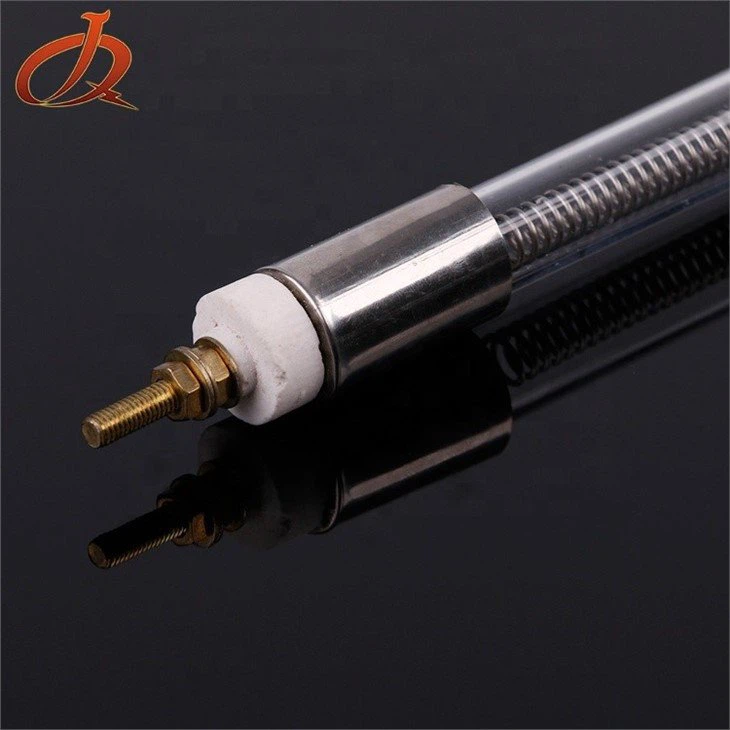
The first and easiest step is a good old-fashioned visual check. Grab a flashlight and take a close look at the tube. You're looking for any obvious signs of damage. Are there cracks or breaks in the glass? If so, that's a major red flag. Cracks can cause the internal elements to be exposed to the outside air, which can lead to a short circuit or other serious problems.
Another thing to watch out for is blackening or discoloration. Over time, normal wear and tear can cause some discoloration on the inside of the tube. But if there's excessive blackening, it could mean that the tube is overheating or that there's a problem with the internal components. Signs of melted or deformed parts around the connections are also bad news. This could indicate a power surge or a manufacturing defect.
Check the Electrical Connections
Next up, we need to take a look at the electrical connections. Loose or corroded connections can cause all sorts of issues, from poor heating performance to complete failure. Start by making sure the tube is unplugged or the power is turned off at the source. Then, gently wiggle the wires connected to the tube. If they feel loose or come out easily, that's a problem.
Inspect the connectors for any signs of corrosion. Corrosion can build up over time, especially in humid environments, and it can prevent the proper flow of electricity. If you see any green or white powdery substance on the connectors, it's likely corrosion. You can try cleaning the connectors with a wire brush or some electrical contact cleaner, but if the corrosion is severe, you might need to replace the connectors or the entire tube.
Test the Resistance
Testing the resistance of the heating tube is a more technical but very effective way to determine if it's defective. You'll need a multimeter for this test. First, make sure the tube is disconnected from the power source. Set your multimeter to the resistance setting (usually indicated by an ohm symbol).
Touch the probes of the multimeter to the two terminals of the heating tube. You should get a reading on the multimeter. Compare this reading to the specifications provided by the manufacturer. If the resistance is significantly higher or lower than the specified value, it could mean that the tube is defective. A very high resistance might indicate a broken element inside the tube, while a very low resistance could suggest a short circuit.
Performance Testing
One of the most obvious ways to tell if a heating tube is defective is by testing its performance. Install the tube in the appropriate heater and turn it on. Give it some time to heat up. If the tube doesn't heat up at all, that's a clear sign of a problem.
Even if the tube does heat up, pay attention to how well it's heating. Is it taking longer than usual to reach the desired temperature? Is the heat output uneven? These could be signs of a defective tube. You can use an infrared thermometer to measure the temperature at different points on the tube. If there are significant temperature differences, it might mean that the internal elements are not working properly.

Compare with a Known Good Tube
If you have another heating tube of the same type that you know is working properly, you can do a side-by-side comparison. Install both tubes in similar heaters and turn them on at the same time. Observe how they heat up and how they perform. If one tube is clearly underperforming compared to the other, it's likely defective.
Consider the Age and Usage
The age and usage of the heating tube can also give you some clues about its condition. Like any other electrical device, heating tubes have a limited lifespan. If your tube is several years old and has been used frequently, it's more likely to develop problems.
On the other hand, if the tube is relatively new but still showing signs of defect, it could be a manufacturing issue. In this case, you should contact the manufacturer or your supplier to see if you can get a replacement under warranty.
When to Replace a Defective Tube
Once you've determined that a heating tube is defective, it's important to replace it as soon as possible. Using a defective tube can be a safety hazard, as it could cause overheating, electrical fires, or other problems.
If you're not comfortable replacing the tube yourself, it's best to call a professional. They have the knowledge and experience to safely replace the tube and ensure that your heater is working properly.
Conclusion
Well, there you have it! By following these steps, you should be able to determine if an electric infrared heating tube is defective. Remember, visual inspection, checking the electrical connections, testing the resistance, and performance testing are all important steps in the process.
If you're in the market for high-quality heating tubes, we've got you covered. Check out our Home Used Quartz Heating Element, Home Used Quartz Heater Tube, and Electric Infrared Heating Tube options. We offer a wide range of products to meet your heating needs.
If you have any questions or are interested in purchasing our products, feel free to reach out. We're here to help you find the best heating solutions for your home or business. Let's work together to keep you warm and cozy!
References
- Electrical Engineering Fundamentals textbooks
- Manufacturer's guides for Electric Infrared Heating Tubes