


Hey there, fellow 3D printing enthusiasts! I'm a supplier of 3D Printer Cartridge Heaters, and I've seen my fair share of overheating issues. In this blog, I'm gonna share some tips on how to prevent a 3D printer cartridge heater from overheating. Let's dive right in!
Understanding the Basics of 3D Printer Cartridge Heaters
Before we talk about prevention, it's important to know a bit about these heaters. A 3D printer cartridge heater is a crucial component that heats up the filament to a specific temperature so it can be extruded and shaped into your desired 3D object. You can find more info about 3D Printing Cartridge Heater on our website.
These heaters work by converting electrical energy into heat. They usually have a high - temperature electric resistance, which is why they can reach the high temperatures needed for 3D printing. Check out our High Temperature Electric Resistance 3D Printer Cartridge Heater for more details.
Why Overheating is a Big Deal
Overheating can cause a bunch of problems. First off, it can damage the heater itself. When a heater gets too hot, the materials inside can break down, leading to a shorter lifespan. This means you'll have to replace it more often, which can get expensive.
Secondly, overheating can affect the quality of your 3D prints. If the filament is too hot, it might come out too runny, causing the print to be messy and inaccurate. On the other hand, if the heater overheats and then suddenly fails, the filament might cool down too quickly, leading to clogs in the extruder.
Tips to Prevent Overheating
1. Proper Installation
The way you install the cartridge heater matters a lot. Make sure it's installed correctly in the heating block. A loose or misaligned heater can cause uneven heating, which can lead to hot spots and eventually overheating. When you're installing it, follow the manufacturer's instructions carefully. If you're not sure, don't hesitate to reach out to us for guidance.
2. Regular Maintenance
Just like any other piece of equipment, 3D printer cartridge heaters need regular maintenance. Clean the heater and the surrounding area regularly to remove any debris or filament residue. This debris can act as an insulator, trapping heat and causing the heater to overheat.
Also, check the electrical connections. Loose or corroded connections can increase resistance, which in turn generates more heat. Make sure all the wires are tightly connected and in good condition.
3. Monitor the Temperature
Invest in a good temperature sensor. This will allow you to keep an eye on the temperature of the heater in real - time. Most 3D printers come with built - in temperature sensors, but it's a good idea to double - check their accuracy from time to time.
Set up temperature limits in your 3D printer's firmware. If the temperature exceeds a certain threshold, the printer can automatically shut off the heater to prevent overheating.
4. Use the Right Power Supply
Using the wrong power supply can be a recipe for disaster. Make sure you're using a power supply that is rated for the specific cartridge heater you have. An underpowered supply might not be able to heat the filament properly, while an overpowered supply can cause the heater to overheat.
5. Choose the Right Filament
Different filaments require different temperatures to print properly. Using a filament that requires a much higher temperature than your heater is designed for can cause overheating. Do your research and make sure you're using the right filament for your printer and heater. You can also consider using a 3D Printer Ceramic Heating Element which can handle a wider range of temperatures.
6. Provide Adequate Ventilation
Good ventilation is essential. The heater generates a lot of heat, and if there's no proper way for the heat to escape, it can build up and cause overheating. Make sure your 3D printer is placed in a well - ventilated area. You can also add fans to improve the airflow around the heater.
Troubleshooting Overheating Issues
Even if you follow all the prevention tips, you might still encounter overheating issues from time to time. Here's what you can do if that happens:
- Check for Blockages: As mentioned earlier, debris or filament clogs can cause overheating. Check the extruder and the heater for any blockages and clean them if necessary.
- Verify the Temperature Sensor: If the temperature readings seem off, the temperature sensor might be faulty. Test it or replace it if needed.
- Inspect the Heater: Look for any visible signs of damage on the heater, such as cracks or discoloration. If you notice any damage, it's probably time to replace the heater.
Conclusion
Preventing a 3D printer cartridge heater from overheating is all about a combination of proper installation, regular maintenance, and smart usage. By following the tips I've shared in this blog, you can extend the lifespan of your heater, improve the quality of your 3D prints, and save yourself a lot of headaches.

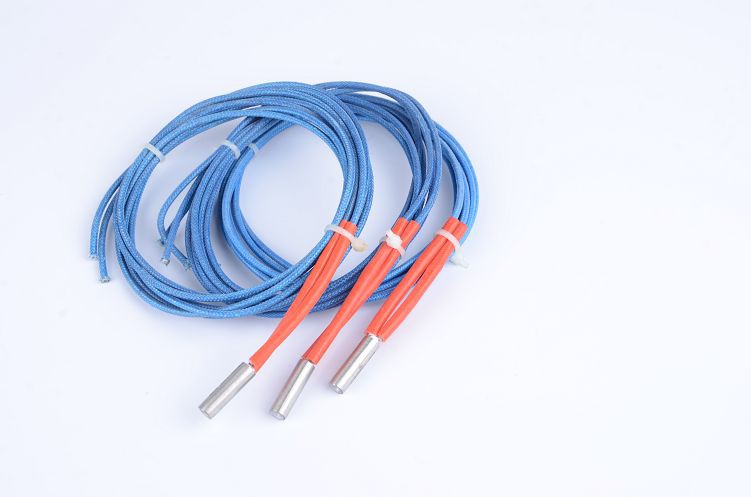
If you're in the market for high - quality 3D printer cartridge heaters, we're here to help. We offer a wide range of heaters, including 3D Printing Cartridge Heater, 3D Printer Ceramic Heating Element, and High Temperature Electric Resistance 3D Printer Cartridge Heater. Don't hesitate to contact us if you have any questions or if you're interested in purchasing. We're always happy to assist you with your 3D printing needs.
References
- 3D Printing Handbook, various authors
- Manufacturer's guides for 3D printer cartridge heaters