


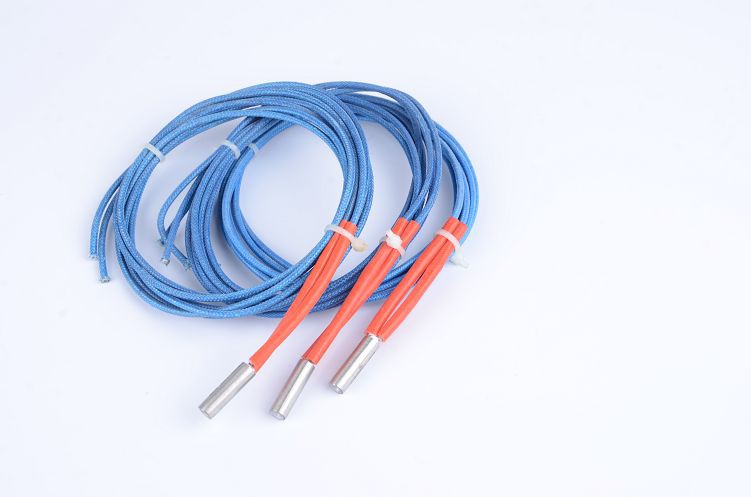
Yo, what's up, 3D printing enthusiasts! I'm stoked to chat with you guys today about one of the key components in 3D printing: high - power 3D printer cartridge heaters. As a supplier of these bad boys, I've seen firsthand the amazing benefits they bring to the table. So, let's dive right in and explore what makes high - power 3D printer cartridge heaters so awesome.
Faster Heating Times
One of the biggest perks of using a high - power 3D printer cartridge heater is the lightning - fast heating times. You know how it is - when you're in the middle of a 3D printing project, you don't want to be waiting around for hours for the printer to heat up. With a high - power heater, you can cut down on that wait time significantly.
These heaters pack a punch, delivering a large amount of power in a short period. This means that your printer can reach the required temperature in no time, allowing you to start your print job quicker. Whether you're a hobbyist looking to churn out some cool prototypes or a professional in a production environment, faster heating times are a massive advantage. You'll be able to increase your productivity and get more projects done in less time.
Consistent Temperature Control
Another huge plus of high - power cartridge heaters is their ability to maintain consistent temperatures. In 3D printing, temperature control is absolutely crucial. If the temperature fluctuates too much, you can end up with all sorts of issues like poor layer adhesion, warping, or even failed prints.
High - power heaters are designed to provide a stable heat source. They can quickly adjust to any changes in the printing environment to keep the temperature just right. This consistent heat ensures that your prints come out looking great every time. You won't have to worry about uneven layers or other temperature - related problems that can ruin your hard work.
Compatibility with Different Materials
These days, 3D printers can work with a wide range of materials, from PLA and ABS to more exotic filaments like nylon and carbon fiber reinforced plastics. Each material has its own specific temperature requirements for printing. A high - power 3D printer cartridge heater can handle these different demands with ease.
It can reach and maintain the high temperatures needed for materials that are more challenging to print. For example, some engineering plastics require temperatures well above 200 degrees Celsius to be extruded properly. A high - power heater can get your printer up to those temperatures and keep it there throughout the printing process. This means you have more flexibility in the types of materials you can use, expanding your creative possibilities.
Durability and Longevity
Let's face it, you don't want to keep replacing parts of your 3D printer constantly. High - power cartridge heaters are built to last. They're made with high - quality materials that can withstand the high temperatures and repeated heating cycles associated with 3D printing.
These heaters are typically made with durable heating elements that are resistant to corrosion and wear. They're also designed to be shock - and vibration - resistant, which is important considering the movement and vibrations that occur during a 3D printing process. So, when you invest in a high - power cartridge heater, you're getting a reliable component that will serve you well for a long time.
Energy Efficiency
You might think that a high - power heater would guzzle energy like crazy, but that's not necessarily the case. In fact, high - power 3D printer cartridge heaters can be quite energy - efficient. Since they heat up quickly, they spend less time in a “warming - up” state, which can save a significant amount of energy in the long run.
Moreover, their ability to maintain consistent temperatures means that they don't have to work as hard to keep the printer at the right temperature. This further reduces energy consumption. So, not only are you getting a great performance from these heaters, but you're also saving some bucks on your electricity bill.
Easy Installation and Replacement
If you're not a tech - whiz, the idea of installing or replacing a component in your 3D printer might seem daunting. But don't worry! High - power 3D printer cartridge heaters are generally designed to be easy to install and replace.
Most of these heaters come with clear instructions, and with a few basic tools, you can have it up and running in no time. And if something does go wrong, you can quickly swap it out for a new one, minimizing downtime and getting your printer back to work fast.
Now, if you're interested in learning more about our range of 3D printer cartridge heaters, check out these links: 3D Printer Ceramic Heating Element, High Temperature Electric Resistance 3D Printer Cartridge Heater, and 3D Printing Cartridge Heater.
If you think our high - power 3D printer cartridge heaters are a good fit for your 3D printer, don't hesitate to reach out. We're always ready to have a chat and discuss how we can meet your specific needs. Whether you have questions about the products, want a quote, or just want some advice on 3D printing, we're here to help. Let's work together to take your 3D printing to the next level!

References
- Smith, J. (2019). Advances in 3D Printing Technology. Journal of Additive Manufacturing, 12(3), 145 - 156.
- Johnson, A. (2020). Temperature Control in 3D Printing. 3D Printing Magazine, 22(2), 89 - 98.