


As a supplier of stainless steel heaters, I am well - acquainted with the advantages of these products, such as high corrosion resistance, durability, and efficient heat transfer. However, in the spirit of integrity and to provide our customers with a comprehensive understanding, I also want to delve into the disadvantages of stainless steel heaters.
High Initial Cost
One of the most obvious drawbacks of stainless steel heaters is their high initial cost. Stainless steel is a relatively expensive material due to its manufacturing process. The alloying elements in stainless steel, like chromium and nickel, not only contribute to its excellent corrosion - resistance but also increase the cost of raw materials.
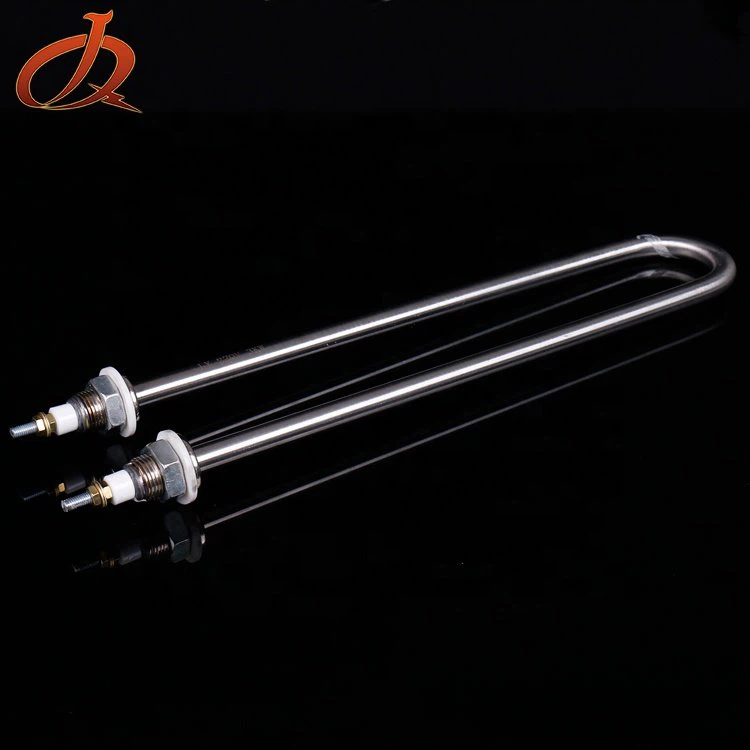
When compared to heaters made from other materials such as copper or aluminum, stainless steel heaters can be significantly more expensive. For example, a basic U Shape Stainless Steel Heater may cost up to 50% more than a similar - sized copper heater. This higher upfront investment can be a deterrent for budget - conscious customers, especially those who need to purchase multiple heaters for large - scale applications.
Lower Thermal Conductivity
Although stainless steel has decent heat - transfer capabilities, it has a lower thermal conductivity compared to some other metals commonly used in heater manufacturing, such as copper. Thermal conductivity is a measure of a material's ability to conduct heat. A lower thermal conductivity means that stainless steel heaters may take longer to heat up and may not transfer heat as efficiently.
In industrial processes where rapid heating is crucial, this can lead to longer production cycles and increased energy consumption. For instance, in a food - processing plant that requires quick heating of liquids, a copper heater might be able to reach the desired temperature in a shorter time compared to a U Shape Stainless Steel Heating Tube. This inefficiency can translate into higher operational costs over the long term.
Susceptibility to Chloride Stress Corrosion Cracking
Stainless steel heaters are generally resistant to corrosion, but they are susceptible to a specific type of corrosion known as chloride stress corrosion cracking (SCC). Chloride ions, which are commonly found in water, salt, and some industrial chemicals, can react with the stainless steel under certain conditions.
When the heater is exposed to a high - chloride environment and is under stress (such as mechanical stress from installation or thermal stress during operation), cracks can form on the surface of the stainless steel. These cracks can gradually grow and eventually lead to the failure of the heater. For example, in a coastal area where the air and water have high salt content, or in a chemical plant that uses chloride - based chemicals, the risk of SCC is significantly higher. This susceptibility to SCC requires additional precautions and maintenance, which can add to the overall cost of using stainless steel heaters.
Difficulty in Welding and Fabrication
Stainless steel is more difficult to weld and fabricate compared to other metals. The high melting point and the presence of alloying elements in stainless steel make the welding process more complex. Specialized welding techniques and equipment are often required to ensure a strong and reliable weld.
During the fabrication of Double U Shape Stainless Steel Heating Tube, for example, if the welding is not done properly, it can lead to weak joints that are prone to failure. The difficulty in fabrication also means that the production process is more time - consuming and labor - intensive, which can further drive up the cost of the final product.
Potential for Galvanic Corrosion
When stainless steel heaters are used in an environment where they come into contact with other metals, there is a risk of galvanic corrosion. Galvanic corrosion occurs when two different metals are in electrical contact with each other in the presence of an electrolyte (such as water).
The more noble metal (stainless steel in this case) will act as the cathode, while the less noble metal will act as the anode. The anode will corrode at an accelerated rate. For example, if a stainless steel heater is installed in a system where it is in contact with a copper pipe without proper insulation, the copper pipe may corrode over time. To prevent galvanic corrosion, additional insulation or coatings need to be applied, which adds to the cost and complexity of installation.
Maintenance Requirements
Stainless steel heaters require regular maintenance to ensure their optimal performance and longevity. As mentioned earlier, the risk of chloride stress corrosion cracking and galvanic corrosion means that these heaters need to be inspected regularly for signs of corrosion or damage.
Cleaning is also an important part of maintenance. Over time, minerals and deposits can build up on the surface of the heater, which can reduce its efficiency. To remove these deposits, special cleaning agents may be required, and the cleaning process needs to be carried out carefully to avoid damaging the stainless steel surface.
Environmental Impact during Production
The production of stainless steel has a relatively high environmental impact. The extraction and processing of the raw materials, such as iron ore, chromium, and nickel, require a significant amount of energy and can cause environmental pollution.

The manufacturing process also generates a large amount of waste, including slag and dust. Additionally, the chemical treatments used in the production of stainless steel can release harmful substances into the environment if not properly managed. For customers who are environmentally - conscious, this may be a concern when considering the use of stainless steel heaters.
Despite these disadvantages, stainless steel heaters still have many applications where their unique properties outweigh the drawbacks. For applications where corrosion resistance is paramount, such as in the marine or chemical industries, the benefits of using stainless steel heaters often make them the best choice.
We understand that these disadvantages might seem like deterrents, but we are committed to providing our customers with high - quality products and solutions that address these challenges. Our team of experts can offer advice on proper installation, maintenance, and corrosion prevention to ensure that you get the most out of your stainless steel heaters.
If you are interested in our stainless steel heaters despite these considerations or have any questions about how to mitigate the disadvantages, please feel free to contact us for further discussions. We are more than happy to assist you in making an informed decision about your heating needs.
References
- "Metals Handbook: Properties and Selection: Irons, Steels, and High - Performance Alloys", ASM International
- "Corrosion and Corrosion Control", Fontana M. G., Wiley - Interscience
- Industry reports on the manufacturing and use of stainless steel heaters.