


In the dynamic world of scientific research, industrial manufacturing, and high - tech applications, quartz tubes stand out as indispensable components. Their exceptional physical and chemical properties, such as high heat resistance, excellent chemical stability, and low thermal expansion, make them a top choice in a wide range of industries. As a trusted quartz tube supplier, we understand the crucial role that proper packaging plays in ensuring these delicate products reach our customers in pristine condition. This blog will explore the various packaging methods for quartz tubes, highlighting their importance and the specific circumstances in which they are most suitable.
Importance of Right Packaging for Quartz Tubes
Before delving into the specific packaging methods, it's essential to grasp why choosing the correct packaging for quartz tubes is non - negotiable. Quartz tubes are fragile and can be easily damaged by physical impacts, temperature variations, and exposure to contaminants. Any damage to the tubes can compromise their performance and render them unsuitable for their intended applications, whether it's in a semiconductor manufacturing process or a high - temperature laboratory experiment.
Proper packaging not only protects the tubes during transit but also helps in maintaining their quality over time. It acts as a barrier against moisture, dust, and chemical substances that could potentially corrode or scratch the surface of the tubes. Moreover, well - designed packaging can also facilitate easy handling, storage, and identification of the tubes, streamlining the overall supply chain process.
Common Packaging Methods
Foam Insert Packaging
One of the most widely used packaging methods for quartz tubes is foam insert packaging. This method involves placing the quartz tubes inside custom - cut foam inserts that are designed to fit the exact shape and size of the tubes. The foam provides a soft and cushioned environment that absorbs shock and vibration during transportation, protecting the tubes from impact damage.
The choice of foam is critical. High - density polyethylene (HDPE) foam or polyurethane foam is commonly used due to their excellent shock - absorbing properties. These foams can be easily molded into specific shapes, ensuring a snug fit for the tubes. Additionally, foam inserts can be designed with compartments to separate individual tubes, preventing them from rubbing against each other and causing scratches or breakage.
Foam insert packaging is particularly suitable for smaller quartz tubes or when shipping a limited number of tubes. It is also an ideal choice for tubes that have irregular shapes or require additional support to maintain their integrity.
Corrugated Cardboard Packaging
Corrugated cardboard is another popular packaging material for quartz tubes. It is lightweight, cost - effective, and provides a certain degree of protection against external impacts. In this packaging method, the quartz tubes are first wrapped in a layer of soft material, such as bubble wrap or tissue paper, to prevent direct contact with the cardboard.
The tubes are then placed inside a corrugated cardboard box, and the remaining space in the box is filled with cushioning materials, such as crumpled paper or foam peanuts. The corrugated cardboard layer itself acts as a shock absorber, while the additional cushioning materials provide extra protection.
Corrugated cardboard packaging is suitable for medium - sized and larger quartz tubes. It is also a practical choice for shipping in bulk, as the boxes can be easily stacked and transported. However, it may not be as effective as foam insert packaging in protecting the tubes from extreme impacts or vibrations.

Wooden Crate Packaging
For large - scale or high - value quartz tubes, wooden crate packaging is often the preferred option. Wooden crates offer superior protection against heavy impacts, rough handling, and adverse environmental conditions. The tubes are usually placed in a bed of soft material, similar to the previous methods, and then secured inside the wooden crate with braces or straps.
The construction of the wooden crate is designed to ensure maximum strength and stability. It can be customized to fit the specific dimensions of the tubes and the shipping requirements. Wooden crates are commonly used in industries where the tubes are large, heavy, or extremely expensive, such as in the power generation and aerospace sectors.
Vacuum Sealed Packaging
In some cases, especially for high - precision or ultra - pure quartz tubes, vacuum sealed packaging is employed. This method involves placing the tube inside a plastic bag, removing the air from the bag using a vacuum pump, and then sealing it. Vacuum sealing helps to protect the tube from oxidation, moisture, and dust, as it creates an airtight environment.
This type of packaging is often combined with other forms of cushioning, such as foam inserts or bubble wrap, to provide additional protection against physical damage. Vacuum sealed packaging is commonly used in industries where the purity and surface quality of the quartz tubes are of utmost importance, such as in the semiconductor and optical industries.
Custom Packaging Solutions
At our company, we understand that each customer's needs are unique. Therefore, we offer custom packaging solutions tailored to the specific requirements of our clients. Whether it's a special shape, size, or a particular shipping environment, our team of experts can design and implement a packaging solution that ensures the safe and secure delivery of your quartz tubes.
We work closely with our customers to understand their needs and challenges. For example, if a customer is shipping quartz tubes to a remote location with harsh transportation conditions, we may recommend a combination of wooden crate packaging and additional shock - absorbing materials. On the other hand, if a customer requires a more environmentally friendly packaging option, we can explore the use of biodegradable or recyclable materials.
Packaging for Related Quartz Products
In addition to quartz tubes, we also offer a wide range of other quartz products, such as Quartz Flask and Quartz Boat. The packaging methods for these products are similar in principle to those for quartz tubes but may require some adjustments based on their specific shapes and characteristics.
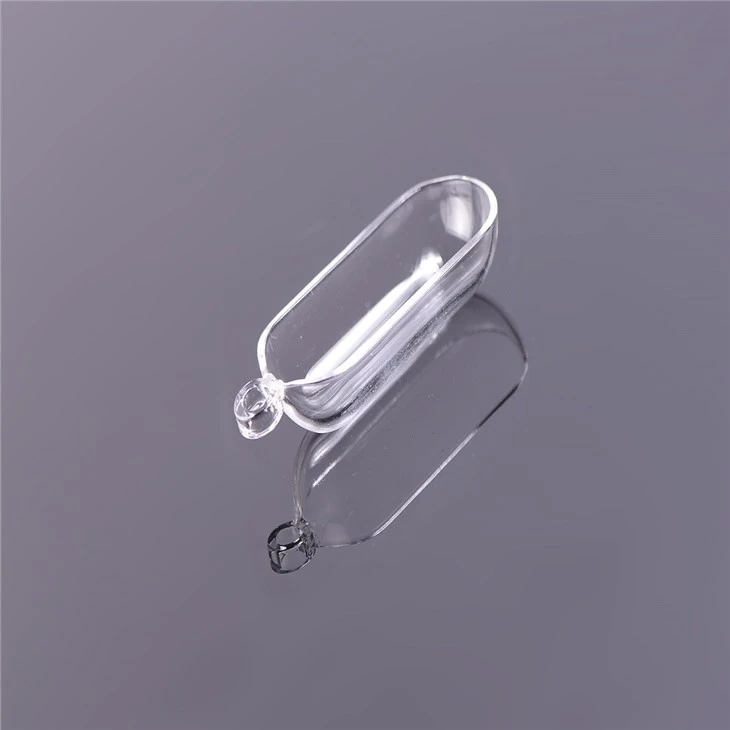
For quartz flasks, which often have a more complex shape, foam insert packaging with custom - designed compartments is usually the best choice. This ensures that the flask is held securely in place and protected from any potential impacts. Quartz boats, which are relatively flat and thin, can be packaged in corrugated cardboard boxes with soft padding to prevent scratching and breakage.
Conclusion
Proper packaging is an integral part of the quartz tube supply chain. It not only safeguards the quality of the tubes but also reflects our commitment to customer satisfaction. As a leading Quartz Tube supplier, we are dedicated to providing the highest level of packaging solutions to meet the diverse needs of our customers.
If you are in the market for high - quality quartz tubes or other quartz products and want to discuss the best packaging options for your specific requirements, we invite you to reach out to us. Our team of experts is ready to assist you with all your inquiries and help you make the right choice.
References
- "Packaging Technology Handbook", John Wiley & Sons
- "Materials for High - Temperature Applications", Elsevier
- Industry - specific standards and best practices on quartz product packaging