


The chemical stability of a flexible quartz heater tube is a critical aspect that significantly impacts its performance, durability, and suitability for various applications. As a supplier of flexible quartz heater tubes, understanding and communicating this property is essential for our customers to make informed decisions.
Understanding Chemical Stability
Chemical stability refers to the ability of a material to resist chemical reactions under specific environmental conditions. In the context of flexible quartz heater tubes, this means the tube's capacity to maintain its physical and chemical properties when exposed to different substances, temperatures, and pressures. High - chemical stability ensures that the heater tube will not degrade or react with the surrounding environment, which is crucial for its long - term functionality.
Composition of Flexible Quartz Heater Tubes
Flexible quartz heater tubes are primarily made of quartz glass. Quartz glass is composed mainly of silicon dioxide (SiO₂), which is known for its excellent chemical resistance. The amorphous structure of quartz glass gives it unique properties that contribute to its stability. The strong Si - O bonds in silicon dioxide are difficult to break, providing quartz with high resistance to most chemicals.
Resistance to Acids and Bases
One of the remarkable features of flexible quartz heater tubes is their resistance to acids and bases. They can withstand exposure to a wide range of acidic and alkaline solutions. For example, they are highly resistant to non - hydrofluoric inorganic acids such as sulfuric acid, hydrochloric acid, and nitric acid. These acids are commonly found in industrial processes, and the ability of quartz heater tubes to resist them makes them suitable for applications in chemical and pharmaceutical manufacturing.
However, it's important to note that quartz is reactive with hydrofluoric acid (HF). Hydrofluoric acid can react with silicon dioxide to form silicon tetrafluoride (SiF₄) and water. Therefore, in environments where hydrofluoric acid is present, special precautions should be taken, or alternative materials should be considered.
In terms of bases, quartz heater tubes also exhibit good resistance to many alkaline solutions. They can tolerate moderately concentrated sodium hydroxide (NaOH) and potassium hydroxide (KOH) solutions at normal temperatures. This resistance allows them to be used in some alkaline - based processes without significant degradation.
Resistance to Oxidation and Reduction
Flexible quartz heater tubes are highly resistant to oxidation. At high temperatures, the silicon dioxide in the quartz glass forms a stable oxide layer on the surface, preventing further oxidation of the material. This property is particularly important in applications where the heater tube is used in high - temperature oxidative environments, such as in some heat treatment processes or in industrial furnaces.
Similarly, they also show good resistance to reduction. In reducing atmospheres, the strong Si - O bonds in quartz make it difficult for the material to be reduced. This stability ensures that the heater tube can maintain its integrity and functionality in environments where reduction reactions might occur.
Stability under Different Temperatures
Temperature is a crucial factor that can affect the chemical stability of materials. Flexible quartz heater tubes can operate over a wide temperature range, typically from - 40°C to 1000°C or even higher in some cases. At low temperatures, the chemical stability of quartz is generally very high, and it remains inert to most substances.
As the temperature increases, the reactivity of quartz with some substances may change slightly. However, due to its high melting point (around 1713°C) and the strong Si - O bonds, it can still maintain its chemical stability at relatively high temperatures. This makes it suitable for applications that require heating to high temperatures, such as in laboratory glassware, semiconductor manufacturing, and food processing.
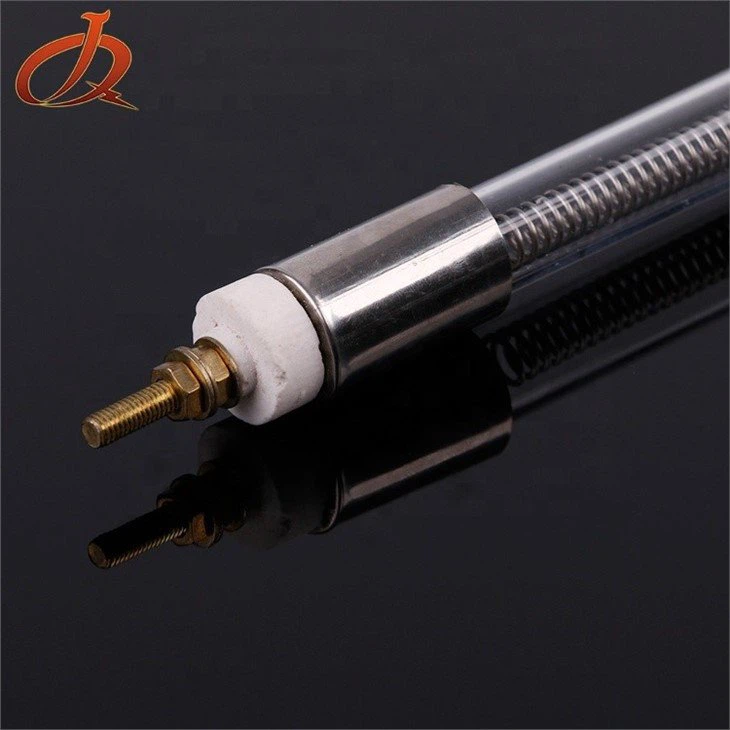

Applications of Flexible Quartz Heater Tubes Based on Chemical Stability
The high chemical stability of flexible quartz heater tubes makes them suitable for a wide range of applications.
Industrial Applications
In the chemical industry, they are used in chemical reactors and distillation columns. Their resistance to acids and bases allows them to be in contact with various chemical substances without corroding. For example, in the production of pharmaceuticals, where strict purity requirements are necessary, the chemical stability of quartz heater tubes ensures that there is no contamination of the products.
In the semiconductor industry, flexible quartz heater tubes are used for heating wafers during the manufacturing process. The high - temperature stability and chemical inertness of quartz prevent any unwanted chemical reactions that could affect the performance of the semiconductors.
Home Appliance Applications
In home appliances, flexible quartz heater tubes are also widely used. Home Used Quartz Heating Element and Home Used Quartz Heater Tube are popular components in electric heaters and hair dryers. Their chemical stability ensures that they can safely heat air or other substances in a home environment without emitting harmful chemicals.
Laboratory Applications
In laboratories, quartz heater tubes are used in various heating equipment, such as heating mantles and drying ovens. Their resistance to chemicals and high - temperature stability make them ideal for experiments that involve heating different substances. Scientists can rely on their stable performance to ensure the accuracy and reproducibility of their experiments.
Factors Affecting the Chemical Stability of Flexible Quartz Heater Tubes
Although flexible quartz heater tubes generally have high chemical stability, some factors can affect their performance over time.
Impurities
The presence of impurities in the quartz glass can reduce its chemical stability. Impurities can create weak points in the structure of the glass, making it more susceptible to chemical attack. Therefore, during the manufacturing process, it is crucial to ensure high - purity raw materials are used to produce high - quality flexible quartz heater tubes.
Surface Conditions
The surface condition of the heater tube can also impact its chemical stability. A rough or damaged surface may provide more sites for chemical reactions to occur. Therefore, proper handling and storage of the tubes are necessary to maintain their surface integrity.
Exposure Time
Prolonged exposure to certain chemicals can gradually degrade the chemical stability of the quartz heater tube. Even though it has good resistance to many substances, continuous contact with chemicals over an extended period may cause some minor changes in its properties. Regular inspection and replacement of the tubes can help ensure their long - term performance.
Ensuring Quality and Chemical Stability
As a supplier of flexible quartz heater tubes, we take several measures to ensure the high chemical stability of our products.
We source high - purity quartz raw materials and use advanced manufacturing processes to minimize the presence of impurities. Our production facilities are equipped with strict quality control systems to monitor every step of the manufacturing process. Before the products are shipped, we conduct a series of tests, including chemical resistance tests, to ensure that they meet the highest quality standards.
We also provide detailed technical support and guidance to our customers. We can help them select the most suitable heater tubes based on their specific application requirements, taking into account factors such as the type of chemicals they will be exposed to, the operating temperature, and the expected service life.
Conclusion
The chemical stability of flexible quartz heater tubes is a key property that makes them highly valuable in a wide range of applications. Their resistance to acids, bases, oxidation, and reduction, along with their stability under different temperatures, ensures their reliable performance and long - term durability.
Whether you are involved in industrial manufacturing, home appliance production, or laboratory research, our flexible quartz heater tubes can meet your heating needs. If you are interested in purchasing our White Quartz Heater or other quartz heater products, please feel free to contact us for more information and to discuss procurement details. We look forward to establishing a long - term and beneficial partnership with you.
References
- Kingery, W. D., Bowen, H. K., & Uhlmann, D. R. (1976). Introduction to Ceramics. Wiley.
- Schilling, J. S. (1990). The Chemistry of Silica: Solubility, Polymerization, Colloid and Surface Properties, and Biochemistry. Wiley.
- ASTM International. (2019). Standard Specification for Fused Silica Laboratory Ware. ASTM C 313 - 19.