


As a supplier of aluminum alloy heaters, I often encounter customers who are confused about the differences between aluminum alloy heaters and stainless - steel heaters. In this blog, I will delve into the various aspects that set these two types of heaters apart, helping you make an informed decision when it comes to your heating needs.

Material Characteristics
Let's start with the fundamental aspect - the materials themselves. Aluminum alloy is a combination of aluminum and other elements such as copper, magnesium, silicon, and zinc. This alloying process enhances aluminum's properties, making it a lightweight yet strong material. Aluminum has excellent thermal conductivity, which means it can transfer heat quickly and efficiently.
On the other hand, stainless steel is an alloy of iron, chromium, and other elements. The addition of chromium gives stainless steel its corrosion - resistant properties. Stainless steel is known for its high strength and durability, and it can withstand harsh environments and high temperatures without significant degradation.
Thermal Conductivity
Thermal conductivity is a crucial factor in heater performance. Aluminum alloy heaters have a distinct advantage in this regard. The high thermal conductivity of aluminum alloy allows it to heat up rapidly and transfer heat to the surrounding environment more effectively. This means that when you turn on an aluminum alloy heater, you'll feel the warmth much quicker compared to a stainless - steel heater.
For example, in a small room where you need instant heat, an aluminum alloy heater can reach the desired temperature in a shorter time. This rapid heating also contributes to energy efficiency, as the heater doesn't need to run for as long to achieve the same level of warmth. In contrast, stainless - steel heaters have lower thermal conductivity. They take longer to heat up and may require more energy to maintain a consistent temperature.
Corrosion Resistance
When it comes to corrosion resistance, stainless - steel heaters have the upper hand. Stainless steel contains at least 10.5% chromium, which forms a thin, invisible layer of chromium oxide on the surface. This layer acts as a barrier, preventing oxygen and moisture from reaching the underlying metal and causing corrosion.
Aluminum alloy, while generally resistant to corrosion, is more susceptible in certain environments. For instance, in highly acidic or alkaline conditions, aluminum alloy may corrode over time. However, in normal indoor environments with relatively low humidity and no exposure to harsh chemicals, aluminum alloy heaters can still provide long - lasting performance.
Weight and Portability
Aluminum alloy is significantly lighter than stainless steel. This makes aluminum alloy heaters much more portable. If you need to move the heater from one room to another or take it with you when traveling, an aluminum alloy heater is a more convenient choice.
For example, a small - sized aluminum alloy heater can be easily carried around by hand, while a stainless - steel heater of the same size may be too heavy to move without assistance. This portability is especially beneficial for applications where flexibility is required, such as in a workshop where you may need to move the heater to different work areas.
Cost
Cost is always an important consideration when purchasing a heater. Aluminum alloy heaters are generally more cost - effective than stainless - steel heaters. The raw materials for aluminum alloy are less expensive, and the manufacturing process is often simpler, resulting in a lower price point.
This makes aluminum alloy heaters a popular choice for budget - conscious consumers. However, it's important to note that the price difference may vary depending on the specific features and quality of the heaters. In some cases, high - end aluminum alloy heaters with advanced technology may be more expensive than basic stainless - steel models.
Applications
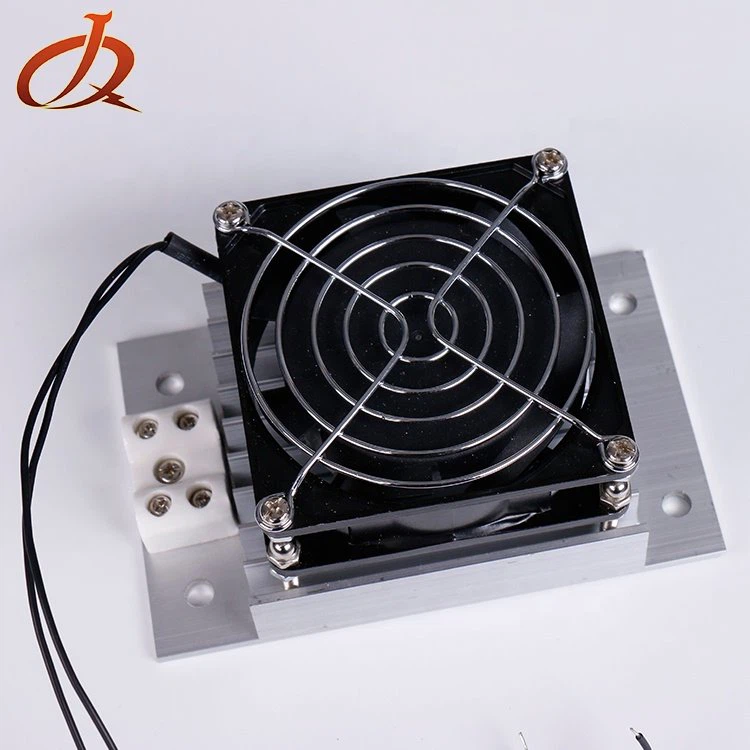
The differences in material properties also lead to different applications for these two types of heaters. Aluminum alloy heaters are ideal for applications where rapid heating and portability are required. They are commonly used in small rooms, offices, and even in some portable heating devices like Energy Saving Electric Hot DJR Alloy Aluminum Heater.
Stainless - steel heaters, on the other hand, are better suited for harsh environments where corrosion resistance is crucial. They are often used in industrial settings, outdoor applications, and in areas with high humidity, such as bathrooms or basements. For example, a Aluminum Alloy Dehumidifier Heater can be a great choice for a dehumidifier, where it needs to work efficiently and resist the effects of moisture.
Maintenance
Maintenance requirements for aluminum alloy and stainless - steel heaters also differ. Aluminum alloy heaters are relatively easy to maintain. You can simply wipe them clean with a damp cloth to remove dust and dirt. However, if the heater has been exposed to a corrosive environment, it's important to check for signs of corrosion regularly.
Stainless - steel heaters are also low - maintenance. The corrosion - resistant surface means that they don't require special cleaning agents. A simple wipe with a mild detergent and water is usually sufficient to keep them looking and functioning well.
Conclusion
In conclusion, the choice between an aluminum alloy heater and a stainless - steel heater depends on your specific needs and preferences. If you need rapid heating, portability, and a cost - effective solution, an aluminum alloy heater is the way to go. On the other hand, if you require high corrosion resistance and durability in harsh environments, a stainless - steel heater may be more suitable.
As a supplier of aluminum alloy heaters, I am confident in the quality and performance of our products. Our Energy Saving Electric Hot DJR Alloy Aluminum Heater and Aluminum Alloy Dehumidifier Heater are designed to meet the diverse needs of our customers.
If you are interested in learning more about our aluminum alloy heaters or are considering a purchase, I encourage you to reach out to us for a detailed discussion. We can help you select the right heater for your specific application and provide you with all the necessary information to make an informed decision.
References
- ASM Handbook Committee. (2000). ASM Handbook Volume 2: Properties and Selection: Nonferrous Alloys and Special - Purpose Materials. ASM International.
- Davis, J. R. (1999). Aluminum and Aluminum Alloys. ASM International.
- Metals Handbook Committee. (1985). Metals Handbook, Volume 1: Properties and Selection: Irons, Steels, and High - Performance Alloys. ASM International.