


When it comes to selecting the right heated quartz tube for your application, there are numerous factors to take into account. As a supplier of Heated Quartz Tubes, I've witnessed firsthand the importance of making an informed decision. In this blog post, I'll guide you through the key considerations to ensure you choose the perfect heated quartz tube for your specific needs.
Understanding the Basics of Heated Quartz Tubes
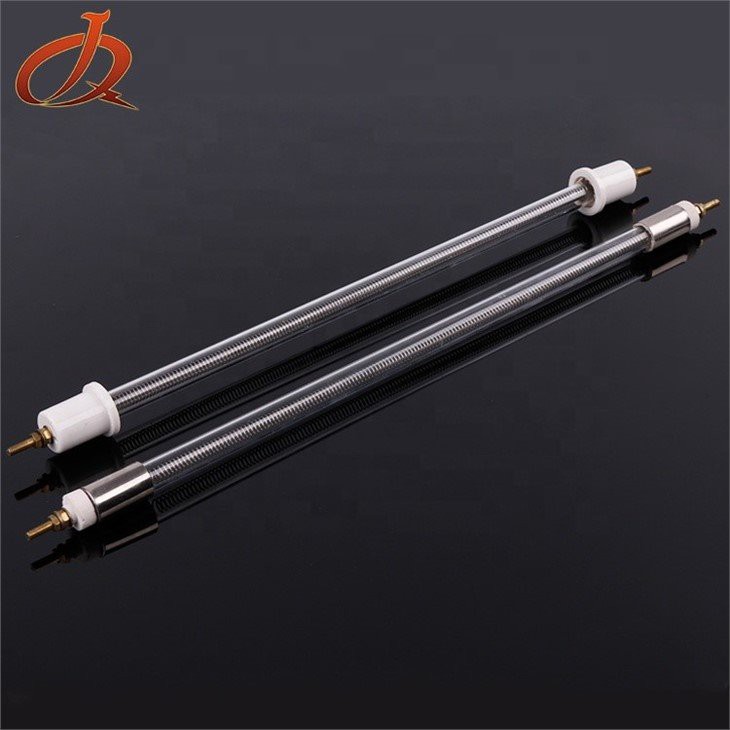
Heated quartz tubes are renowned for their exceptional thermal properties and durability. They are widely used in various industries, including semiconductor manufacturing, medical equipment, and scientific research. The quartz material used in these tubes offers high transparency to infrared radiation, making them ideal for applications that require efficient heat transfer.
One of the primary advantages of heated quartz tubes is their ability to reach high temperatures quickly and maintain a stable heat output. This makes them suitable for processes that demand precise temperature control, such as annealing, soldering, and drying. Additionally, quartz is chemically inert, which means it won't react with most substances, ensuring a clean and contamination - free heating environment.
Key Factors to Consider When Choosing a Heated Quartz Tube
Temperature Requirements
The first and most crucial factor to consider is the temperature range required for your application. Different heated quartz tubes are designed to operate at different temperature levels. For instance, some tubes can reach temperatures up to 1000°C or more, while others are optimized for lower temperature applications.
If your process requires high temperatures, you'll need a tube with a high - temperature resistance and a fast heating rate. On the other hand, if you only need to heat to a moderate temperature, a tube with a lower power rating may be sufficient. Make sure to accurately assess the maximum and minimum temperatures your application demands and choose a tube that can meet those requirements.
Power Output
The power output of a heated quartz tube determines how quickly it can heat up and the amount of heat it can deliver. It is typically measured in watts. The power requirement depends on several factors, including the size of the area to be heated, the desired temperature increase, and the insulation of the system.
A larger heating area or a faster heating rate will generally require a higher power output. However, it's important not to oversize the tube, as this can lead to excessive energy consumption and potential damage to the surrounding components. Calculate the power needed based on your specific application and select a tube with an appropriate power rating.
Tube Dimensions
The dimensions of the heated quartz tube, such as length, diameter, and wall thickness, can also have a significant impact on its performance. The length of the tube affects the heating area, while the diameter can influence the heat distribution and the flow of the medium being heated.
For applications where space is limited, a smaller diameter tube may be more suitable. Conversely, if you need to heat a large volume of material, a longer and wider tube may be required. The wall thickness of the tube can affect its mechanical strength and thermal conductivity. Thicker walls generally provide greater durability but may also result in a slower heating rate.
Heating Element Type
There are different types of heating elements used in heated quartz tubes. The most common ones include Electric Infrared Heating Tube and Flexible Heating Electric Element.
Infrared heating tubes emit infrared radiation, which is absorbed directly by the material being heated, resulting in efficient and rapid heating. They are suitable for applications where direct heating of the surface is required, such as food processing and paint drying. Flexible heating elements, on the other hand, can be bent and shaped to fit specific geometries, making them ideal for applications with irregularly shaped objects or tight spaces.
Application Environment
The environment in which the heated quartz tube will operate is another important consideration. Factors such as humidity, dust, and the presence of corrosive substances can affect the performance and lifespan of the tube.
If the application environment is humid, you'll need a tube with good moisture resistance. In dusty environments, a tube with a protective coating may be necessary to prevent dust from accumulating on the heating element and reducing its efficiency. For applications where corrosive chemicals are present, a tube made of a corrosion - resistant material or with a special coating should be selected.
Industry - Specific Considerations
Semiconductor Industry
In the semiconductor industry, heated quartz tubes are used for processes such as wafer annealing and chemical vapor deposition. These applications require extremely precise temperature control and a clean environment to avoid contamination of the semiconductor wafers.
When choosing a heated quartz tube for semiconductor applications, look for tubes with high - purity quartz material and a uniform temperature distribution. Tubes with advanced temperature control systems and low outgassing properties are also preferred to ensure the quality and reliability of the semiconductor manufacturing process.
Medical Industry
In the medical field, heated quartz tubes are used in devices such as blood analyzers, incubators, and sterilization equipment. The tubes need to meet strict safety and hygiene standards.
For medical applications, select tubes that are made of biocompatible materials and can be easily sterilized. Tubes with a smooth surface finish and a low risk of particle shedding are essential to prevent contamination of the medical samples or equipment.
Scientific Research
In scientific research, heated quartz tubes are used in a wide range of experiments, from chemical reactions to material testing. The requirements for these applications can vary greatly depending on the specific research project.
When choosing a tube for scientific research, consider the flexibility of the tube in terms of temperature control and heating rate. Tubes that can be easily integrated into different experimental setups and offer accurate and reproducible results are highly desirable.
Making the Final Decision
Once you've considered all the factors mentioned above, it's time to make the final decision. It's a good idea to consult with a professional or an experienced supplier, like us, who can provide you with expert advice and guidance based on your specific application.
We offer a wide range of Heated Quartz Tubes that are designed to meet the diverse needs of different industries. Our tubes are manufactured using high - quality materials and advanced production techniques to ensure superior performance and reliability.
If you're still unsure which heated quartz tube is right for your application, feel free to contact us. Our team of experts is ready to assist you in selecting the perfect tube and answering any questions you may have. We can also provide you with samples for testing to ensure that the tube meets your requirements before making a purchase.

In conclusion, choosing the right heated quartz tube for your application requires careful consideration of various factors, including temperature requirements, power output, tube dimensions, heating element type, and the application environment. By taking the time to evaluate these factors and seeking professional advice, you can ensure that you select a tube that will provide efficient and reliable heating for your specific needs.
If you're interested in purchasing heated quartz tubes or have any inquiries about our products, please don't hesitate to reach out to us. We look forward to the opportunity to discuss your requirements and assist you in finding the ideal solution for your application.
References
- "Quartz Heating Elements: Principles and Applications" by Smith, J.
- "Industrial Heating Technology" by Johnson, R.
- "Advances in Quartz Material Science" by Brown, A.