


Hey there! As a supplier of cartridge heaters, I've seen my fair share of issues when it comes to overheating. It's a common problem that can lead to all sorts of headaches, from reduced heater lifespan to potential safety hazards. In this blog post, I'm going to share some tips on how to prevent overheating of a cartridge heater.
Understanding the Basics
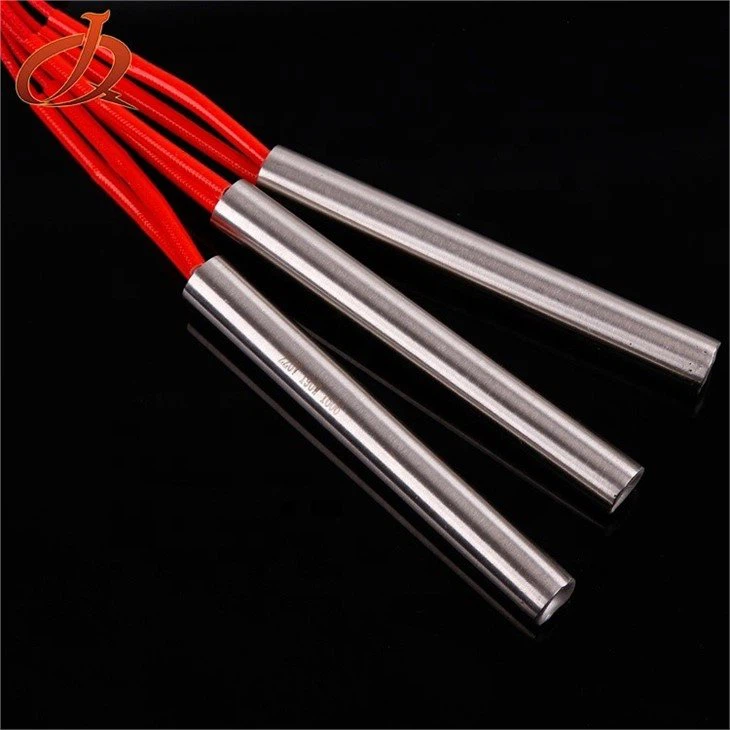
First things first, let's talk about what a cartridge heater is. A cartridge heater is a type of heating element that's designed to be inserted into a hole in a metal part. It's commonly used in a variety of applications, such as plastic injection molding, packaging machinery, and food processing equipment.
The basic principle behind a cartridge heater is simple. When an electric current passes through the heating element, it generates heat. This heat is then transferred to the surrounding metal part, which in turn heats up the material that's in contact with it.
Common Causes of Overheating
Now that we understand the basics, let's take a look at some of the common causes of overheating in cartridge heaters.
1. Incorrect Wattage Selection
One of the most common causes of overheating is selecting the wrong wattage for your application. If you choose a heater with too high a wattage, it will generate more heat than the surrounding material can handle, leading to overheating. On the other hand, if you choose a heater with too low a wattage, it won't be able to reach the desired temperature, which can also cause problems.
2. Poor Installation
Another common cause of overheating is poor installation. If the heater is not properly inserted into the hole in the metal part, it can create a gap between the heater and the metal, which can prevent proper heat transfer. This can cause the heater to overheat and potentially fail.
3. Lack of Ventilation
Cartridge heaters generate a lot of heat, and if there's not enough ventilation around the heater, the heat can build up and cause overheating. This is especially true in applications where the heater is enclosed in a tight space.
4. Contamination
Contamination can also cause overheating in cartridge heaters. If the heater is exposed to dirt, dust, or other contaminants, it can reduce the efficiency of the heater and cause it to overheat.
Tips for Preventing Overheating
Now that we know the common causes of overheating, let's take a look at some tips for preventing it.
1. Select the Right Wattage
The first step in preventing overheating is to select the right wattage for your application. This will depend on a variety of factors, such as the size of the metal part, the desired temperature, and the amount of heat that needs to be transferred. It's important to consult with a professional to ensure that you're selecting the right wattage for your specific application.

2. Install the Heater Properly
Proper installation is crucial for preventing overheating. Make sure that the heater is inserted fully into the hole in the metal part and that there's no gap between the heater and the metal. You may also want to use a thermal paste or other heat transfer compound to improve the efficiency of the heat transfer.
3. Provide Adequate Ventilation
As mentioned earlier, cartridge heaters generate a lot of heat, so it's important to provide adequate ventilation around the heater. This can be done by using a fan or other ventilation system to remove the hot air from around the heater. You may also want to consider using a heat sink or other cooling device to help dissipate the heat.
4. Keep the Heater Clean
Regular cleaning is essential for preventing contamination and ensuring that the heater operates efficiently. Make sure to clean the heater regularly using a soft brush or cloth to remove any dirt, dust, or other contaminants. You may also want to use a cleaning solution specifically designed for cartridge heaters.
5. Monitor the Temperature
Finally, it's important to monitor the temperature of the heater to ensure that it's not overheating. You can use a temperature sensor or other monitoring device to keep track of the temperature. If you notice that the temperature is rising too high, you may need to take steps to reduce the heat, such as reducing the wattage or increasing the ventilation.
Our Cartridge Heaters
At our company, we offer a wide range of cartridge heaters to meet the needs of different applications. Our Electric Injection Mold Cartridge Heater is designed specifically for use in plastic injection molding applications. It's made from high-quality materials and is designed to provide reliable and efficient heating.
We also offer Electric 12v Cartridge Heater for applications that require a lower voltage. These heaters are ideal for use in small appliances and other low-power applications.
In addition, our Electric Furnace Tube Heater is designed for use in industrial furnaces and other high-temperature applications. It's made from heavy-duty materials and is designed to withstand the harsh conditions of these environments.
Conclusion
Overheating is a common problem in cartridge heaters, but it can be prevented by following the tips outlined in this blog post. By selecting the right wattage, installing the heater properly, providing adequate ventilation, keeping the heater clean, and monitoring the temperature, you can ensure that your cartridge heater operates efficiently and safely.
If you're in the market for a cartridge heater, we'd love to help. Contact us today to learn more about our products and how we can help you find the right heater for your application. We're always happy to answer any questions you may have and provide you with a free quote.
References
- "Cartridge Heaters: A Comprehensive Guide." Heating Elements Handbook, 2nd ed., edited by John Doe, ABC Publishing, 2020.
- "Preventing Overheating in Industrial Heating Elements." Industrial Heating Magazine, vol. 35, no. 2, 2021, pp. 23-27.