


In the industrial and commercial sectors, electric infrared heating tubes have become indispensable components, offering efficient and targeted heating solutions. As a leading supplier of electric infrared heating tubes, I am often asked about the corrosion resistance of these products. This blog post aims to delve into the concept of corrosion resistance in electric infrared heating tubes, exploring its significance, influencing factors, and practical implications.
Understanding Corrosion in Electric Infrared Heating Tubes
Corrosion is a natural process that involves the deterioration of materials due to chemical reactions with their environment. In the context of electric infrared heating tubes, corrosion can occur in various forms, including oxidation, rusting, and chemical attack. These processes can compromise the integrity and performance of the heating tubes, leading to reduced efficiency, shortened lifespan, and potential safety hazards.
The primary components of an electric infrared heating tube, such as the heating element, sheath, and insulation, are all susceptible to corrosion. The heating element, typically made of materials like nichrome or tungsten, can oxidize when exposed to oxygen at high temperatures. This oxidation can cause the element to become brittle and eventually break, resulting in a loss of heating capacity.
The sheath, which protects the heating element and provides mechanical support, is also vulnerable to corrosion. Depending on the material used, the sheath can be affected by factors such as moisture, chemicals, and abrasive particles. For example, a metal sheath may rust when exposed to water or certain corrosive substances, while a ceramic sheath may crack or degrade due to thermal stress or chemical attack.
Significance of Corrosion Resistance
Corrosion resistance is a critical property of electric infrared heating tubes, especially in applications where the tubes are exposed to harsh environments. Here are some key reasons why corrosion resistance is important:
- Longevity: A corrosion-resistant heating tube is more likely to have a longer lifespan, reducing the need for frequent replacements. This not only saves costs but also minimizes downtime and maintenance requirements.
- Performance: Corrosion can degrade the performance of a heating tube by reducing its heating efficiency and uniformity. A corrosion-resistant tube can maintain its performance over time, ensuring consistent and reliable heating.
- Safety: Corroded heating tubes can pose safety risks, such as electrical shorts or fires. By using corrosion-resistant tubes, the risk of such incidents can be significantly reduced, ensuring the safety of personnel and equipment.
- Compatibility: In some applications, the heating tubes may come into contact with chemicals or other substances. A corrosion-resistant tube can withstand these interactions without being damaged, ensuring compatibility with the surrounding environment.
Factors Affecting Corrosion Resistance
Several factors can influence the corrosion resistance of electric infrared heating tubes. Understanding these factors can help in selecting the right tube for a specific application. Here are some of the key factors:
- Material Selection: The choice of materials for the heating element, sheath, and insulation plays a crucial role in determining the corrosion resistance of the tube. For example, stainless steel is a popular choice for sheaths due to its excellent corrosion resistance in many environments. Other materials, such as ceramic or quartz, may also offer good corrosion resistance, depending on the application.
- Surface Treatment: Applying a protective coating or surface treatment to the heating tube can enhance its corrosion resistance. For example, a powder coating or anodizing can provide a barrier against moisture and chemicals, preventing corrosion from occurring.
- Operating Conditions: The operating conditions of the heating tube, such as temperature, humidity, and chemical exposure, can also affect its corrosion resistance. High temperatures can accelerate the corrosion process, while exposure to certain chemicals can cause more severe damage. It is important to consider these factors when selecting a heating tube for a specific application.
- Design and Construction: The design and construction of the heating tube can also impact its corrosion resistance. For example, a well-designed tube with proper sealing and insulation can prevent moisture and chemicals from entering the tube, reducing the risk of corrosion.
Types of Corrosion-Resistant Electric Infrared Heating Tubes
As a supplier of electric infrared heating tubes, we offer a range of corrosion-resistant options to meet the diverse needs of our customers. Here are some of the common types of corrosion-resistant tubes:
- Stainless Steel Tubes: Stainless steel is a widely used material for heating tube sheaths due to its excellent corrosion resistance in many environments. Stainless steel tubes are suitable for applications where the tubes are exposed to moisture, chemicals, or high temperatures.
- Ceramic Tubes: Ceramic tubes offer good corrosion resistance and high-temperature performance. They are often used in applications where the tubes need to withstand extreme temperatures or chemical exposure.
- Quartz Tubes: Quartz tubes are known for their high transparency, excellent thermal stability, and good corrosion resistance. They are commonly used in applications such as infrared heaters, drying ovens, and food processing equipment.
Applications of Corrosion-Resistant Electric Infrared Heating Tubes
Corrosion-resistant electric infrared heating tubes are used in a wide range of applications across various industries. Here are some examples:

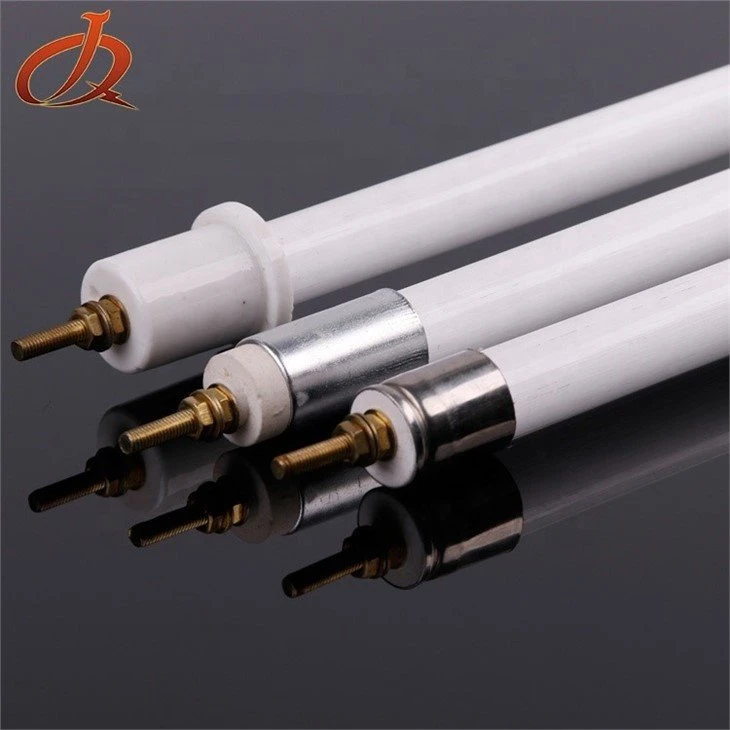
- Chemical Processing: In chemical processing plants, the heating tubes may be exposed to corrosive chemicals and high temperatures. Corrosion-resistant tubes are essential in these applications to ensure the safety and efficiency of the process.
- Food and Beverage Industry: In the food and beverage industry, the heating tubes need to be hygienic and corrosion-resistant to meet strict safety and quality standards. Stainless steel or quartz tubes are commonly used in this industry for applications such as baking, drying, and pasteurization.
- Automotive Industry: In the automotive industry, the heating tubes may be used in applications such as paint drying, curing, and preheating. Corrosion-resistant tubes are required to withstand the harsh conditions in automotive manufacturing plants.
- Aerospace Industry: In the aerospace industry, the heating tubes need to be lightweight, durable, and corrosion-resistant. Ceramic or quartz tubes are often used in this industry for applications such as aircraft de-icing and cabin heating.
Conclusion
Corrosion resistance is a crucial property of electric infrared heating tubes, especially in applications where the tubes are exposed to harsh environments. By understanding the factors that affect corrosion resistance and selecting the right tube for a specific application, customers can ensure the longevity, performance, and safety of their heating systems.
As a supplier of Flexible Heating Electric Element, Heated Quartz Tube, and Flexible Quartz Heater Tube, we are committed to providing high-quality, corrosion-resistant heating tubes that meet the diverse needs of our customers. If you have any questions or need assistance in selecting the right heating tube for your application, please do not hesitate to contact us. We look forward to discussing your requirements and providing you with the best solutions.
References
- Jones, D. A. (1992). Principles and Prevention of Corrosion. Prentice Hall.
- Uhlig, H. H., & Revie, R. W. (1985). Corrosion and Corrosion Control: An Introduction to Corrosion Science and Engineering. Wiley.
- Fontana, M. G. (1986). Corrosion Engineering. McGraw-Hill.